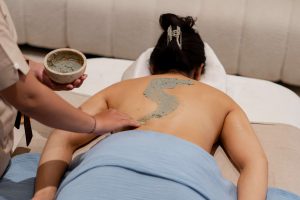
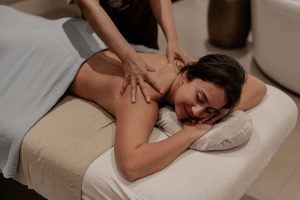
There is no perfect one-word English translation for Boreh. Calling it a “body scrub” explains only part of the experience.
In a Balinese spa context, Boreh is better understood as a warming spice-based body paste or traditional body ritual that may be applied to the skin for its warming sensation and body-care experience.
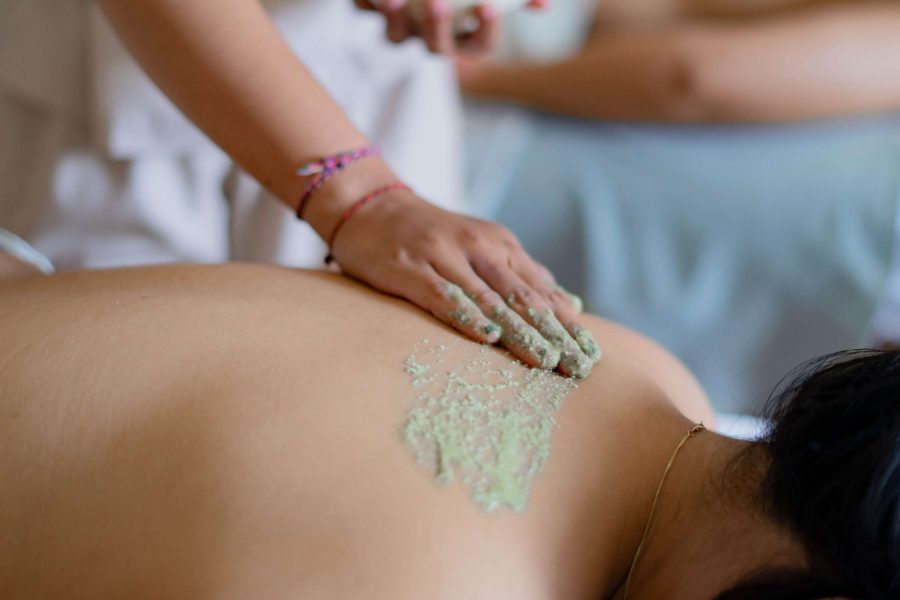
The closest practical explanation is “traditional Balinese warming spice body paste” or “warming herbal body treatment.” “Body scrub” is often used because Boreh can be part of a body-care ritual, but the term does not fully describe its warmth, paste-like texture, spices, and cultural treatment context.
Why Is “Body Scrub” an Incomplete Translation?
Because Boreh is defined by more than exfoliation. A conventional scrub is mainly understood as a product that removes dead skin cells through friction.
Boreh is commonly associated with a spice mixture applied to the body and a warming sensation that is part of the treatment experience.
| Term | Main Meaning | What It Misses |
|---|---|---|
| Body Scrub | Exfoliation | Warming ritual and spice-paste context |
| Herbal Paste | Paste made with plant/spice ingredients | Body-care and Balinese ritual context |
| Warming Body Treatment | Thermal/warming experience | The traditional name and ingredients |
| Boreh | Traditional term | Requires explanation for international guests |
What Is Boreh Traditionally Made From?
Boreh recipes vary, but warming spices are central to the concept. Jaens Spa's current Boreh guide references ingredients such as ginger, clove, turmeric, cinnamon and candlenut.
Often associated with the warming sensation of traditional Boreh.
Help create the characteristic aromatic spice profile of the paste.
Recipes can vary by tradition, household, spa, or treatment concept.
Because formulas vary, do not assume every Boreh treatment uses the exact same ingredients.
Is Boreh the Same as Lulur?
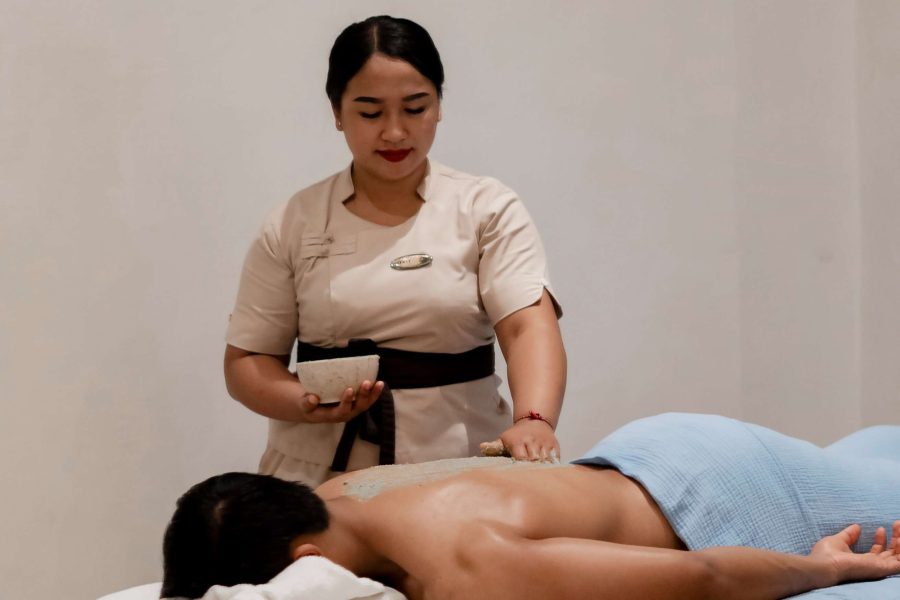
No. Boreh and lulur are different body-care traditions. Both may be loosely translated as body scrubs by international visitors, but that translation hides their different ingredients, sensations and cultural contexts.
Boreh is especially associated with a warming spice mixture, while other scrubs may focus primarily on exfoliation and smoother-feeling skin.
What Does Boreh Feel Like?
The defining sensory element is warmth. Guests may notice a warming or tingling sensation from the spice mixture. The exact intensity depends on the formula and individual skin sensitivity.
Tell the therapist if the treatment feels too intense, especially if you have sensitive or irritated skin. A traditional treatment still needs to respect individual comfort.
Is Boreh Used Only as a Scrub?
No. In modern spa menus Boreh can appear as part of different body-care or warming rituals. The exact treatment flow should be checked rather than assuming that every mention of Boreh means the same service.
For example, Jaens Spa has used Boreh as part of selected warming rituals and body-care experiences, while its regular Body Care menu also includes massage, body scrub and body mask treatments that are not necessarily Boreh treatments.
Why Does the Meaning Matter for Travelers?
Understanding the term prevents booking the wrong treatment. A traveler searching “body scrub” may expect exfoliation only, while someone searching “Boreh” may specifically want the warming Balinese ritual.
This is why treatment description matters more than translation alone.
What Should You Ask Before Booking Boreh?
Ask what is included, how the mixture is used, and whether the treatment is warming, exfoliating, or both.
- What ingredients are used?
- Is the treatment mainly warming or exfoliating?
- How long does it stay on the skin?
- Is massage included?
- Is it suitable for sensitive skin?
- Is a bath or other treatment included?
For a broader introduction, see What Is Boreh? The Balinese Scrub Ritual .
Boreh in English: Keep the Name, Explain the Ritual
The most accurate approach is often to keep the word “Boreh” and explain it instead of forcing it into a single English label.
“Traditional Balinese warming spice body treatment” gives international guests a clearer picture than “scrub” alone while preserving the original term.
FAQ About Boreh Meaning
What does Boreh mean in English?
A practical explanation is “traditional Balinese warming spice body paste” or “warming body treatment.”
Is Boreh a body scrub?
It can be used within body-care treatments, but calling it only a scrub does not fully explain its warming spice-paste character.
What is Boreh made from?
Recipes vary. Commonly referenced ingredients include ginger, clove, turmeric, cinnamon and other spices.
Does Boreh feel hot?
It commonly creates a warming sensation. Tell your therapist if the sensation becomes uncomfortable.
Is Boreh the same as every Balinese body scrub?
No. Bali has multiple body-care traditions and spa scrub formulations.
Explore Balinese Body Care in Ubud
Compare massage, scrub, body mask and longer Balinese-inspired rituals before choosing the body-care experience that suits you.
Explore Body Care