At first glance, the difference between a hot stone massage and a regular massage can seem surprisingly small. Both involve a therapist working on the body, both can use flowing massage movements, and both are commonly booked for relaxation.
So why add heated stones?
The answer is not simply that hot stone massage is a “stronger” version of massage. Heat changes the sensory experience. Instead of relying only on the therapist's hands, rhythm, and pressure, smooth heated stones introduce sustained warmth into parts of the session.
For travelers comparing massage treatments in Bali, that creates a useful distinction: regular massage is primarily pressure and movement, while hot stone massage adds warmth as another treatment element.
Yes, mainly in how the treatment feels. A regular massage relies on hands, pressure, rhythm, and massage technique. Hot stone massage combines those elements with smooth heated stones, creating a warmer and more thermal relaxation experience. Neither is automatically better: choose regular massage when you want massage technique to remain the main focus, and hot stone when warmth is part of the experience you want.
What Is Hot Stone Massage?
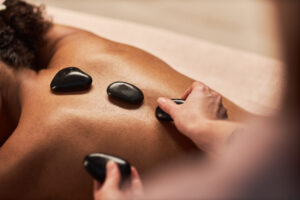
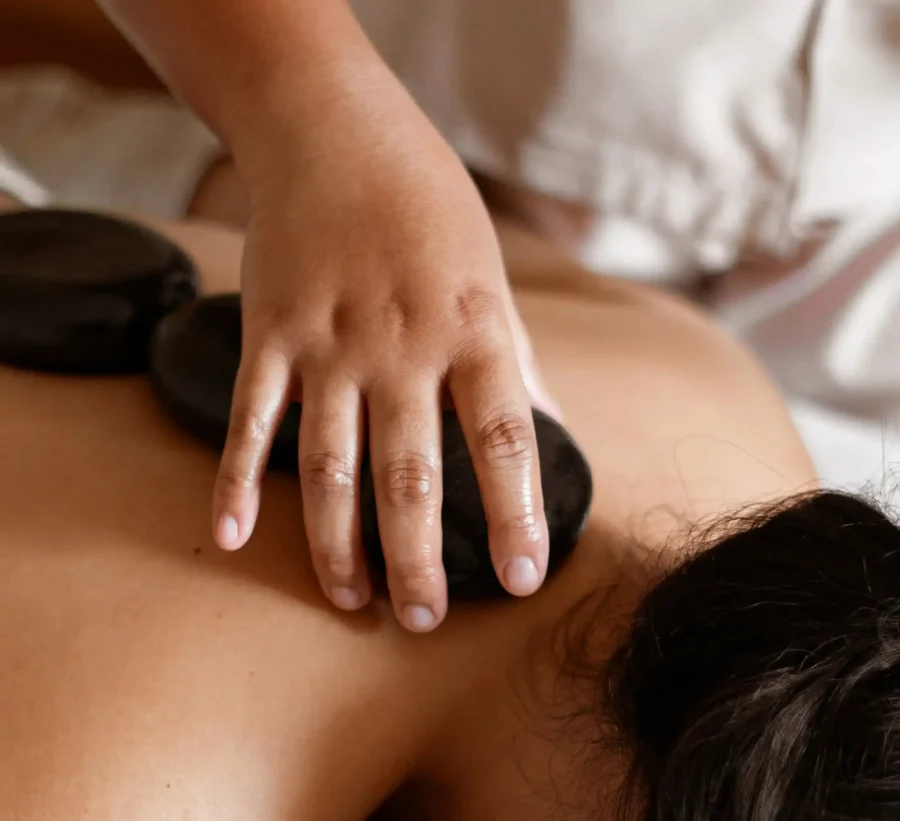
A hot stone massage is a massage treatment that incorporates smooth heated stones into the session. Depending on the treatment protocol, a therapist may position warm stones on parts of the body or use the stones together with massage movements.
The important difference is that the stones do not replace the therapist.
Massage technique remains part of the experience. The stones add another sensory element: controlled warmth.
That is why the treatment can feel noticeably different even when some of the massage strokes are similar to those used in a regular body massage.
Hot stone treatment combines therapist-led massage with the warmth of smooth heated stones.
Pressure is still present, but warmth becomes a noticeable part of how the treatment feels.
The treatment can feel slower and more warming than a massage based entirely on manual technique.
Hot Stone Massage vs Regular Massage: What's Actually Different?
For this comparison, “regular massage” means a body massage where the therapist primarily uses their hands and massage techniques without heated stones. The exact technique can still vary between Balinese, aromatherapy, Swedish-style, and other massage traditions.
| Factor | Regular Massage | Hot Stone Massage |
|---|---|---|
| Main element | Hands + massage technique | Hands + massage technique + heated stones |
| Primary sensation | Pressure and rhythm | Warmth, pressure and rhythm |
| Temperature | Generally neutral | Warm |
| Pressure experience | Depends strongly on massage style and therapist technique | Heat becomes part of the experience alongside pressure |
| Treatment feel | Technique-led massage flow | Massage flow with an added thermal element |
| Good starting point | Guests primarily interested in massage technique | Guests specifically wanting a warming massage experience |
| Best question to ask | What pressure and massage style do I prefer? | Do I enjoy sustained warmth as part of relaxation? |
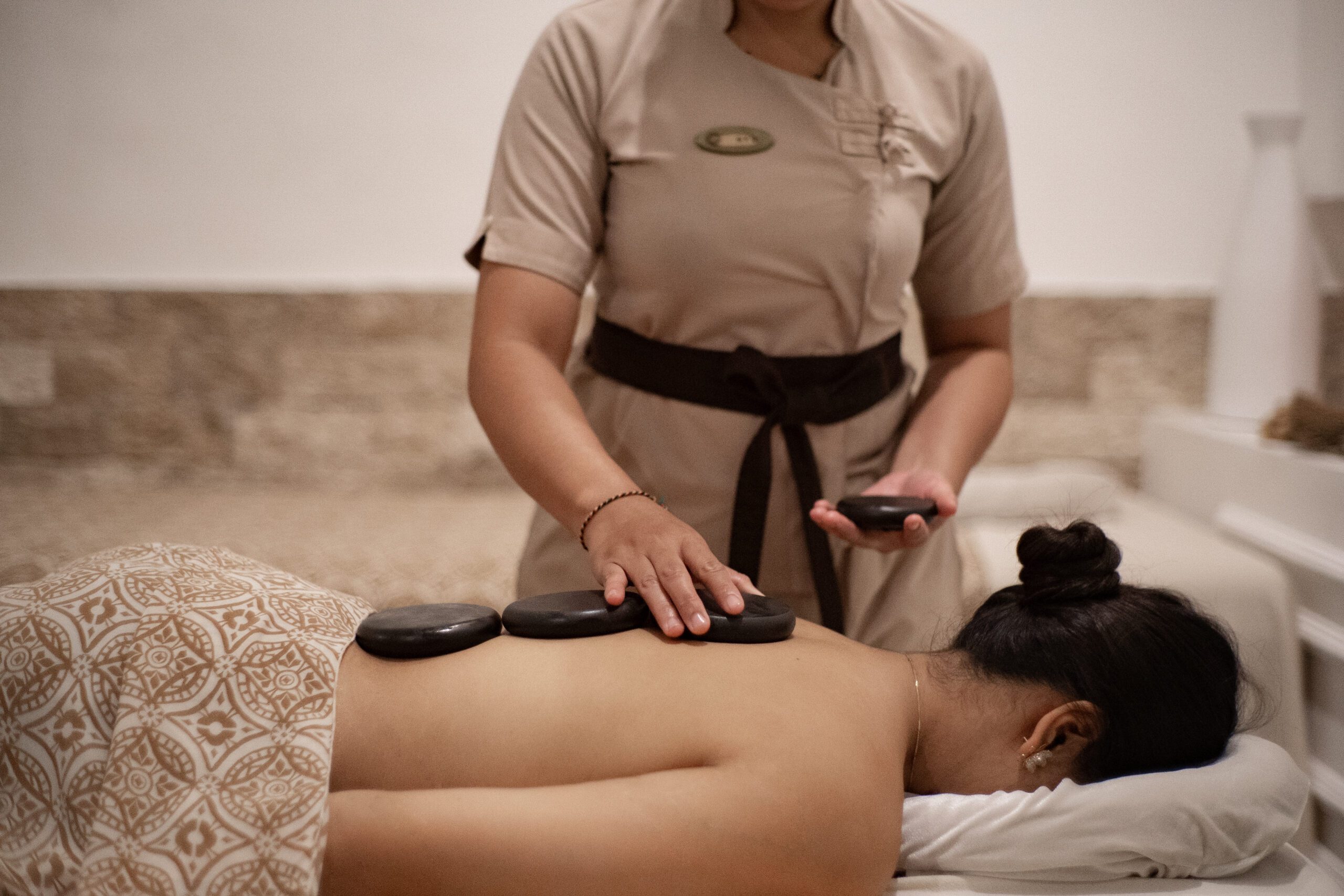
What Does Heat Change During the Massage Experience?
This is the most important difference between the two treatments.
In a regular massage, the therapist changes the sensation mainly through technique: pressure, stroke length, pace, stretching, or how much attention is given to a particular area.
Hot stone massage adds another variable: temperature.
The warmth from the stones can create a softer and more enveloping feeling across the treatment. For some guests, this makes it easier to settle into the massage without asking for increasingly strong pressure.
That does not mean heat automatically works “deeper” or makes the treatment medically more effective. It simply creates a different sensory environment around the massage.
A hot stone massage does not need to feel aggressive. If your goal is firm, concentrated pressure on particular areas, a deep tissue treatment may be more relevant. Hot stone massage makes more sense when warmth itself is part of what you want from the experience.
When Does a Regular Massage Make More Sense?
Regular massage can be the simpler choice when your main priority is the massage technique itself.
For example, someone seeking a traditional-inspired Balinese massage in Ubud may value flowing strokes, pressure techniques, gentle stretching, and overall treatment rhythm more than a thermal experience.
Similarly, someone who already knows they want firm and concentrated work may prefer Deep Tissue Massage rather than choosing hot stone simply because their muscles feel tight.
When Technique Is the Priority
A better fit when you primarily care about pressure, rhythm, stretching, or a specific massage style.
When Warmth Is Part of the Goal
A better fit when you like the idea of a warming, slower-feeling massage with heated stones incorporated into the treatment.
Hot Stone Massage Benefits: What Can Heat Realistically Add?
People often search for hot stone massage benefits expecting a long list of health claims. A more useful way to think about the treatment is through the experience it creates.
Potential hot stone benefits within a spa setting include a warming sensation, temporary easing of everyday muscle tightness, general body comfort, and relaxation.
Research specifically on hot stone massage remains limited, so it is better not to treat the treatment as a cure for medical conditions or assume every reported wellness benefit has strong clinical evidence.
For a traveler choosing between massage styles, the decision does not need a medical claim. The meaningful question is simply: does warmth make this massage more appealing to you?
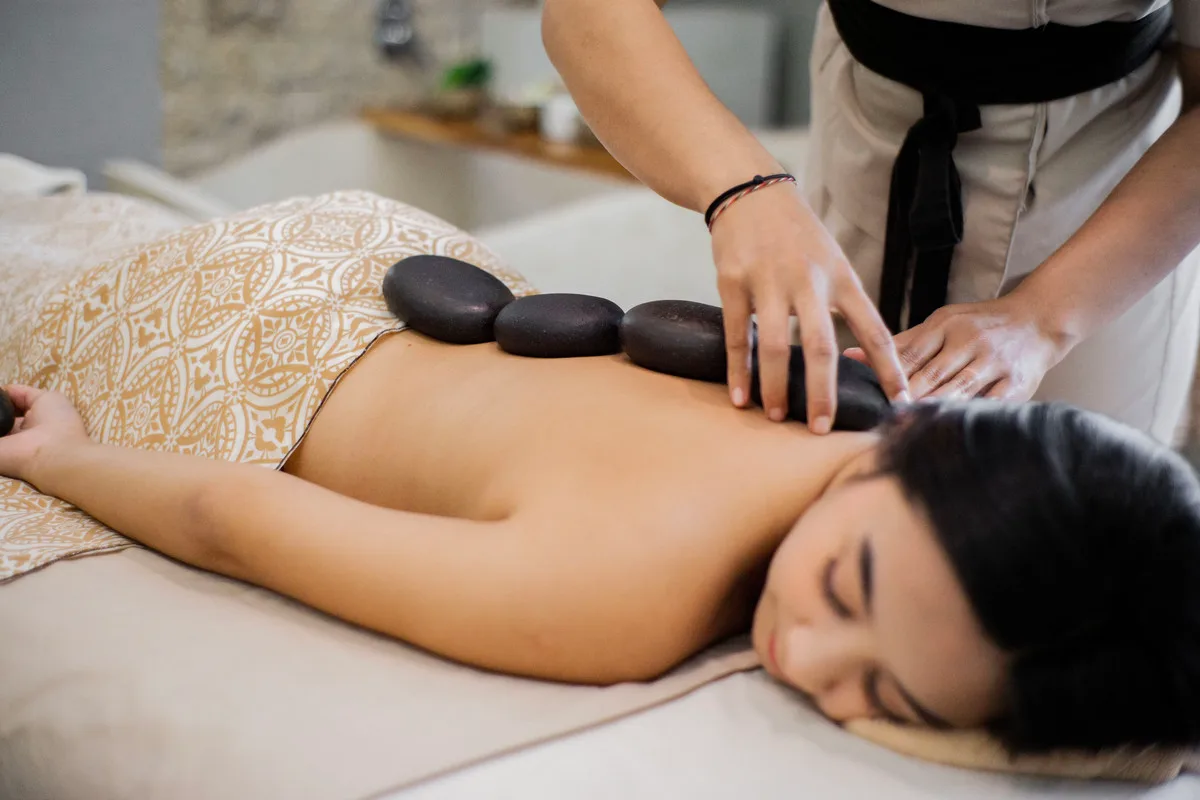
Hot Stone Massage in Ubud After a Long Bali Day
A hot stone massage in Ubud can feel particularly appealing after a travel day that involves long drives, walking, sightseeing, or several hours moving between locations.
But tiredness does not automatically mean you need the strongest massage available.
Some travelers prefer firm pressure. Others prefer the comfort of warmth combined with a slower massage rhythm. That difference is exactly why Hot Stone and Deep Tissue should not be treated as interchangeable treatments.
If you are unsure, think about the sensation you want rather than the treatment name:
Start With How You Want the Treatment to Feel
- Flowing and traditional-inspired: consider Balinese Massage.
- Gentler and aromatic: consider Aromatherapy Massage.
- Warm and calming: consider Hot Stone Massage.
- Firm and focused: consider Deep Tissue Massage.
- Specific back and shoulder focus: consider Back Relief Massage.
Hot Stone Massage: 90 or 120 Minutes?
Treatment duration changes another part of the decision.
A 90-minute session can provide a complete full-body experience while fitting relatively easily into an Ubud itinerary.
A 120-minute session gives the treatment more time to develop at a slower pace. This can make sense if the spa itself is one of the main activities of your day rather than something squeezed between lunch, sightseeing, and dinner.
Longer does not automatically mean better. Choose according to your available time and how slowly you want the spa visit to unfold.
Hot Stone Massage at Jaens Spa Ubud
Jaens Spa currently offers Hot Stone Massage within its Body Massage menu . The treatment combines smooth heated stones with massage techniques to create a warm and calming body experience.
Hot Stone Massage
A warming body massage using smooth heated stones together with massage techniques for guests who prefer warmth, body comfort, and a calmer treatment rhythm.
Current treatment availability and pricing may vary by outlet, so check the official Body Massages page before booking.
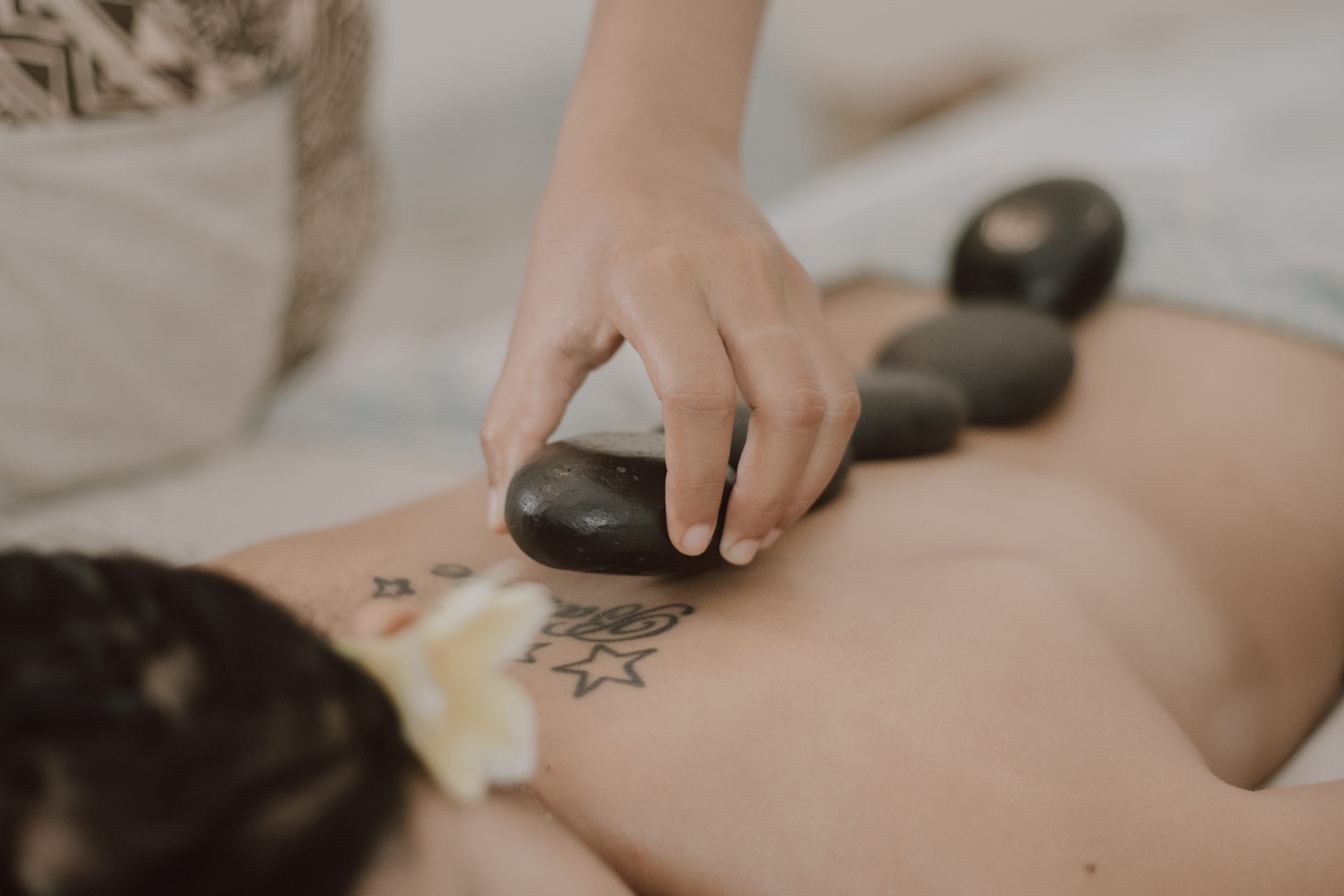
What Should Hot Stone Massage Feel Like?
The stones should feel comfortably warm, not painfully hot.
Good communication matters throughout the treatment. If the temperature, pressure, or stone placement feels uncomfortable, tell your therapist rather than trying to tolerate it.
Hot stone massage may also be unsuitable in some circumstances. If you have open or irritated skin, difficulty sensing temperature, or a medical condition that may affect whether heat or massage is appropriate for you, seek appropriate professional advice before choosing a heat-based treatment.
A spa massage should be treated as a wellness experience, not a substitute for diagnosis or medical care.
Hot Stone or Regular Massage: Which One Should You Choose?
Want Pressure and Technique to Lead
Consider a regular body massage when your main interest is Balinese technique, aromatherapy, stretching, pressure preference, or a specific style of bodywork.
Want Warmth Built Into the Massage
Consider Hot Stone Massage when sustained warmth sounds more appealing than simply increasing pressure and you want a warmer, slower-feeling spa experience.
Hot Stone Massage May Fit You Better If:
- you enjoy warmth as part of relaxation;
- you want something different from a standard massage;
- your body feels generally tired rather than needing highly focused pressure;
- you prefer a warming treatment after travel or outdoor activities;
- you have enough time for a 90- or 120-minute spa session.
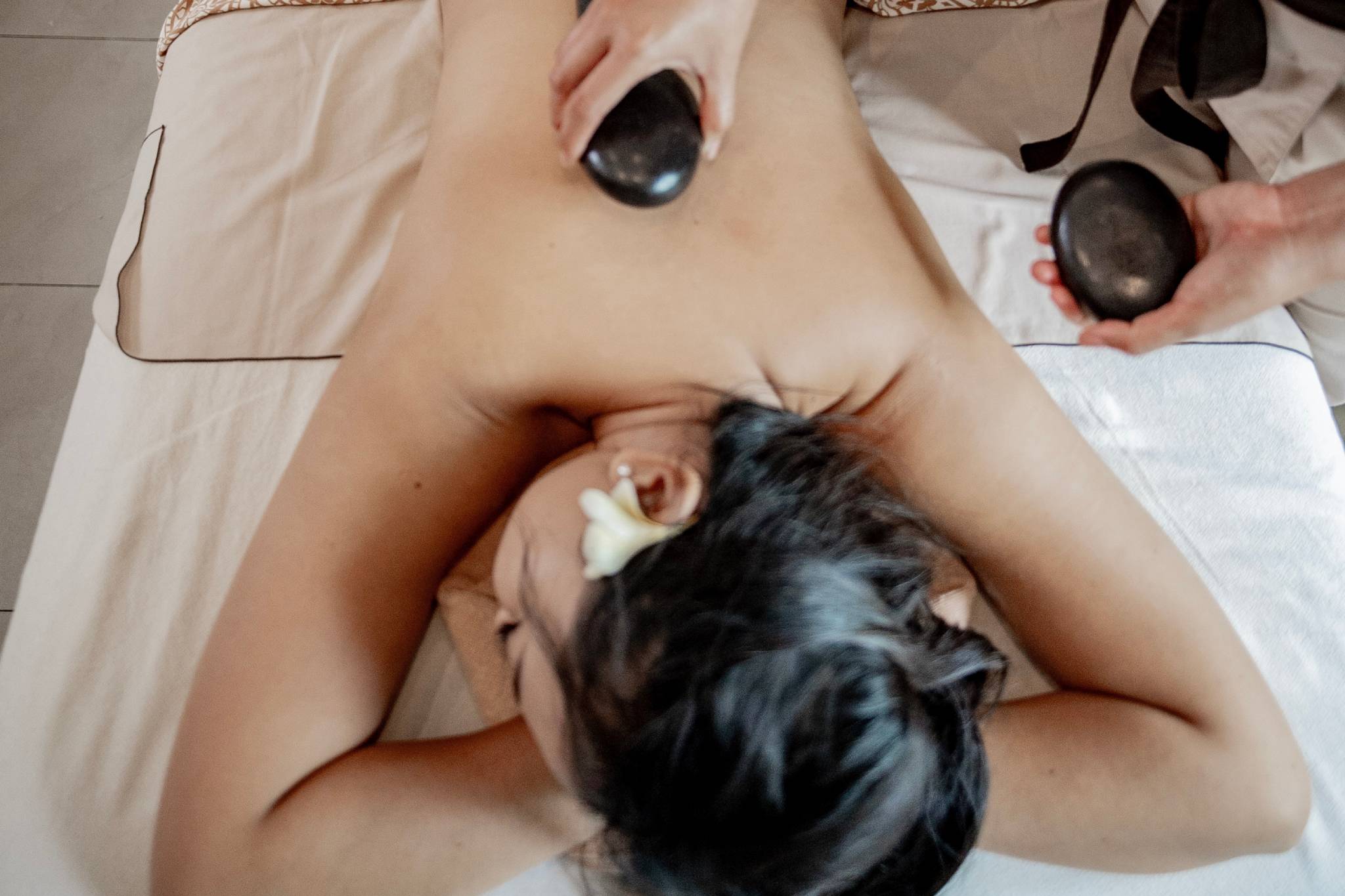
So, Does Heat Really Change the Massage Experience?
Yes—but not because it automatically makes the massage stronger, deeper, or medically better.
Heat changes the sensation.
A regular massage is primarily shaped by the therapist's hands, pressure, rhythm, and technique. A hot stone massage keeps those massage elements but adds sustained warmth through heated stones.
That makes the decision relatively simple.
Choose regular massage when the massage technique itself is what matters most to you. Choose hot stone massage when warmth is one of the sensations you specifically want from the treatment.
For travelers looking for hot stone massage Ubud, Jaens Spa currently offers 90- and 120-minute options across Center, Triloka, Shanti, and Bisma.
You can compare Hot Stone Massage with Balinese, Aromatherapy, Deep Tissue, Back Relief, and other treatments on the official Jaens Spa Body Massages in Ubud page.
FAQ About Hot Stone Massage
What is hot stone massage?
Hot stone massage is a massage treatment that incorporates smooth heated stones. The stones may be positioned on parts of the body or used together with massage movements, depending on the treatment protocol.
What is the difference between hot stone massage and regular massage?
Regular massage mainly relies on hands, pressure, rhythm, and massage technique. Hot stone massage adds heated stones, making warmth another important part of the treatment sensation.
What are the benefits of hot stone massage?
Commonly reported hot stone massage benefits include relaxation, warmth, general body comfort, and temporary easing of everyday muscle tightness. Research specifically on hot stone massage remains limited, so medical claims should be treated cautiously.
Is hot stone massage stronger than regular massage?
Not necessarily. Hot stone massage adds warmth, while massage pressure can still be adjusted. If your main goal is firm and concentrated pressure, Deep Tissue Massage may be more appropriate.
Does hot stone massage use pressure?
Yes. Massage technique and pressure remain part of the treatment, but heated stones add a thermal sensation that regular hands-only massage does not provide.
How long is Hot Stone Massage at Jaens Spa Ubud?
Jaens Spa currently offers Hot Stone Massage in 90-minute and 120-minute durations. Availability is listed at Center, Triloka, Shanti, and Bisma.
Should hot stones feel very hot?
No. Heated stones should feel comfortably warm rather than painfully hot. Tell your therapist immediately if the temperature feels uncomfortable.
Where can I book hot stone massage in Ubud?
Hot Stone Massage is currently listed within the Jaens Spa Body Massage menu at Center, Triloka, Shanti, and Bisma. Check the official treatment page for current prices and availability.
Choose Warmth or Choose Pressure
Compare Hot Stone, Balinese, Aromatherapy, Deep Tissue and other massage styles, then choose the experience that matches how you want your body to feel during your Ubud spa visit.
Explore Body Massage Treatments